
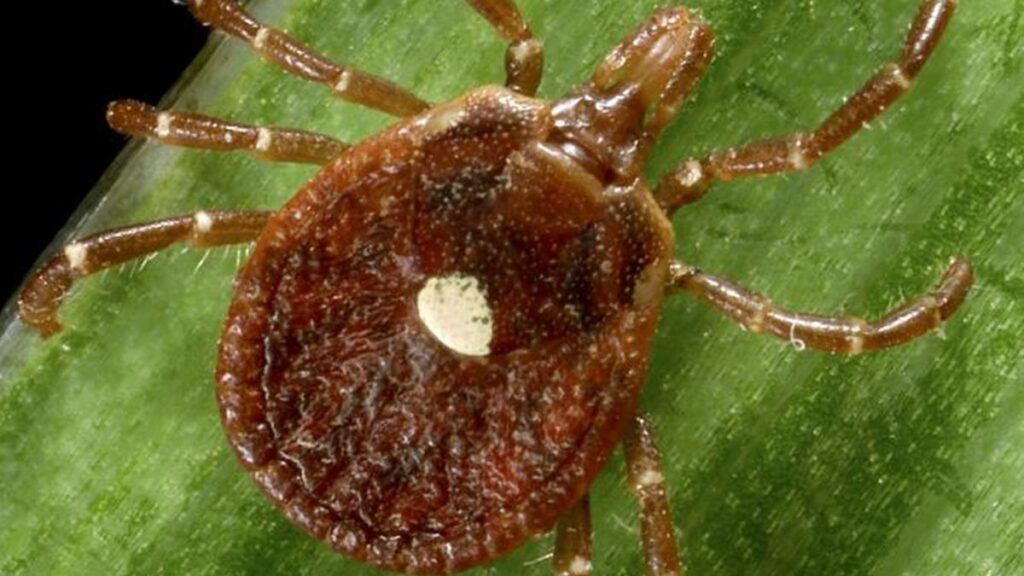
When most people think of ticks, one disease comes to mind: Lyme disease. But today’s tick landscape is far more complicated. Across the United States, tick populations are expanding into new territories, bringing with them new health concerns. Among the most talked-about newcomers is the Lone Star Tick, an aggressive species that has become one of the fastest-growing tick threats in America.
Whether you live in New England, the Midwest, the South, or along the East Coast, understanding the changing world of ticks has never been more important.
Not All Ticks Are Equal
The United States is home to several common tick species, each with its own range and health risks.
Northeast and Upper Midwest
The Blacklegged Tick, often called the deer tick, dominates much of New England and the Great Lakes region. It is best known for transmitting Lyme disease, but it can also spread anaplasmosis, babesiosis, and Powassan virus.
Southeast and Mid-Atlantic
The Lone Star Tick has historically been associated with southern states, but its range has expanded dramatically in recent years. Today, established populations can be found throughout much of the Northeast, Midwest, and Mid-Atlantic regions. The CDC notes that the Lone Star Tick is now widely distributed throughout large portions of the eastern United States.
Western United States
The Western Blacklegged Tick is more common along the Pacific Coast and can transmit Lyme disease and other infections similar to its eastern cousin.
Nationwide
The American Dog Tick can be found throughout much of the country and is associated with Rocky Mountain spotted fever and tularemia.
The reality is simple: no matter where you call home, ticks have become a nationwide concern.
The Lone Star Tick
Named for the distinctive white spot found on the backs of adult females, the Lone Star Tick has gained attention for more than its expanding territory. Unlike some tick species that passively wait for hosts to brush by, Lone Star Ticks actively seek out people and animals, making encounters more common.
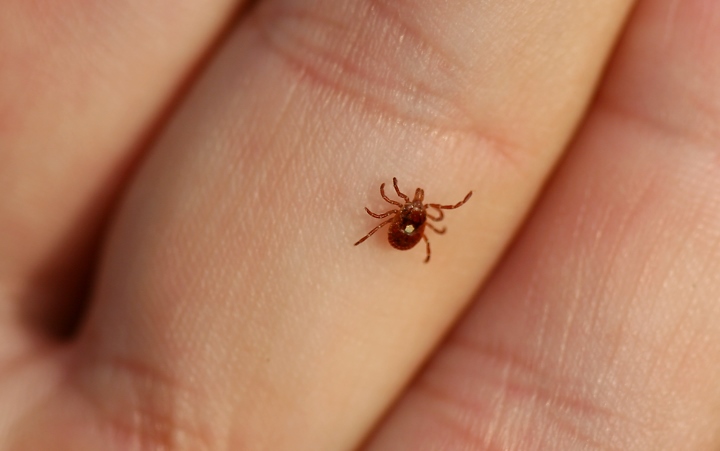
Researchers have linked Lone Star Tick bites to several illnesses, including ehrlichiosis. However, what truly captured national attention is the tick’s connection to Alpha-Gal Syndrome, a condition that can trigger an allergy to red meat.
According to the CDC, more than 110,000 suspected cases of Alpha-Gal Syndrome were identified between 2010 and 2022, with as many as 450,000 Americans potentially affected.
Imagine developing an allergic reaction to hamburgers, steak, pork chops, or venison after a single tick bite. For many Americans, that bizarre scenario has become reality.
Why Are Ticks Becoming More Common?
Several factors are contributing to the rise in tick populations:
- Expanding deer populations
- Warmer temperatures and milder winters
- Increased development near wooded areas
- More time spent outdoors
- Fragmented forests that bring wildlife closer to neighborhoods
The result is that backyards, gardens, walking trails, and recreational spaces can all become tick habitats.
Prevention Is Better Than Treatment
While doctors can diagnose and treat many tick-borne illnesses, prevention remains the most effective strategy.
Simple precautions include:
- Wearing long sleeves and pants when working outdoors
- Performing regular tick checks
- Showering after spending time outside
- Keeping grass trimmed and landscaping maintained
- Reducing brush and leaf litter around the home
But one of the most effective ways to reduce your risk is creating a protective barrier around the places where your family spends the most time.
The Everguard Difference
At Everguard Repellents, we believe effective tick protection shouldn’t come at the expense of your family, pets, or the environment.
Our eco-friendly tick and mosquito solutions are designed to help create an invisible barrier around your property using ingredients that homeowners can feel good about using. Rather than relying solely on harsh chemicals, Everguard focuses on responsible, effective protection that allows families to enjoy their outdoor spaces with confidence.
Whether you’re gardening, hosting a backyard barbecue, watching the kids play, or simply relaxing on the patio, your yard should be a place for making memories—not worrying about what may be hiding in the grass.
Take Back Your Backyard
Ticks aren’t going away. In fact, experts expect many species, including the Lone Star Tick, to continue expanding into new areas in the years ahead.
The good news? You don’t have to surrender your outdoor lifestyle.
By staying informed, taking preventative measures, and choosing proven, eco-friendly solutions like Everguard Repellents, you can dramatically reduce your family’s exposure to ticks and the diseases they carry.
Because the best memories are made outside—and Everguard is here to help keep them that way.